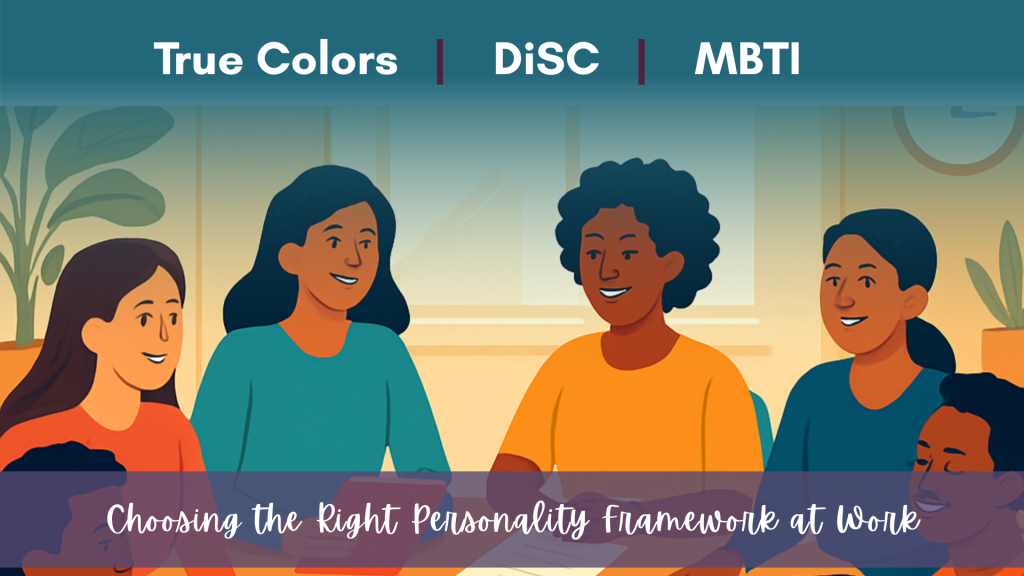
Personality frameworks are widely used in organizations to support leadership development, improve communication, and strengthen collaboration. When applied well, they provide a shared language that helps people better understand themselves, appreciate differences, and work together more effectively. When applied poorly, they can feel abstract, overly complex, or disconnected from day-to-day work. Among the most commonly used models in the workplace are True Colors, DiSC, and the Myers-Briggs Type Indicator.
While each offers valuable insights, they differ in focus, accessibility, and practical impact. Understanding these differences is essential for leaders and learning professionals seeking tools that go beyond awareness and actually influence behavior, relationships, and performance. This article compares True Colors, DiSC, and MBTI through a practical organizational lens and explores why True Colors often delivers the strongest and most sustainable results in team and leadership development settings.